Tree Cutting Near Your Home: Why a Professional Plan Matters
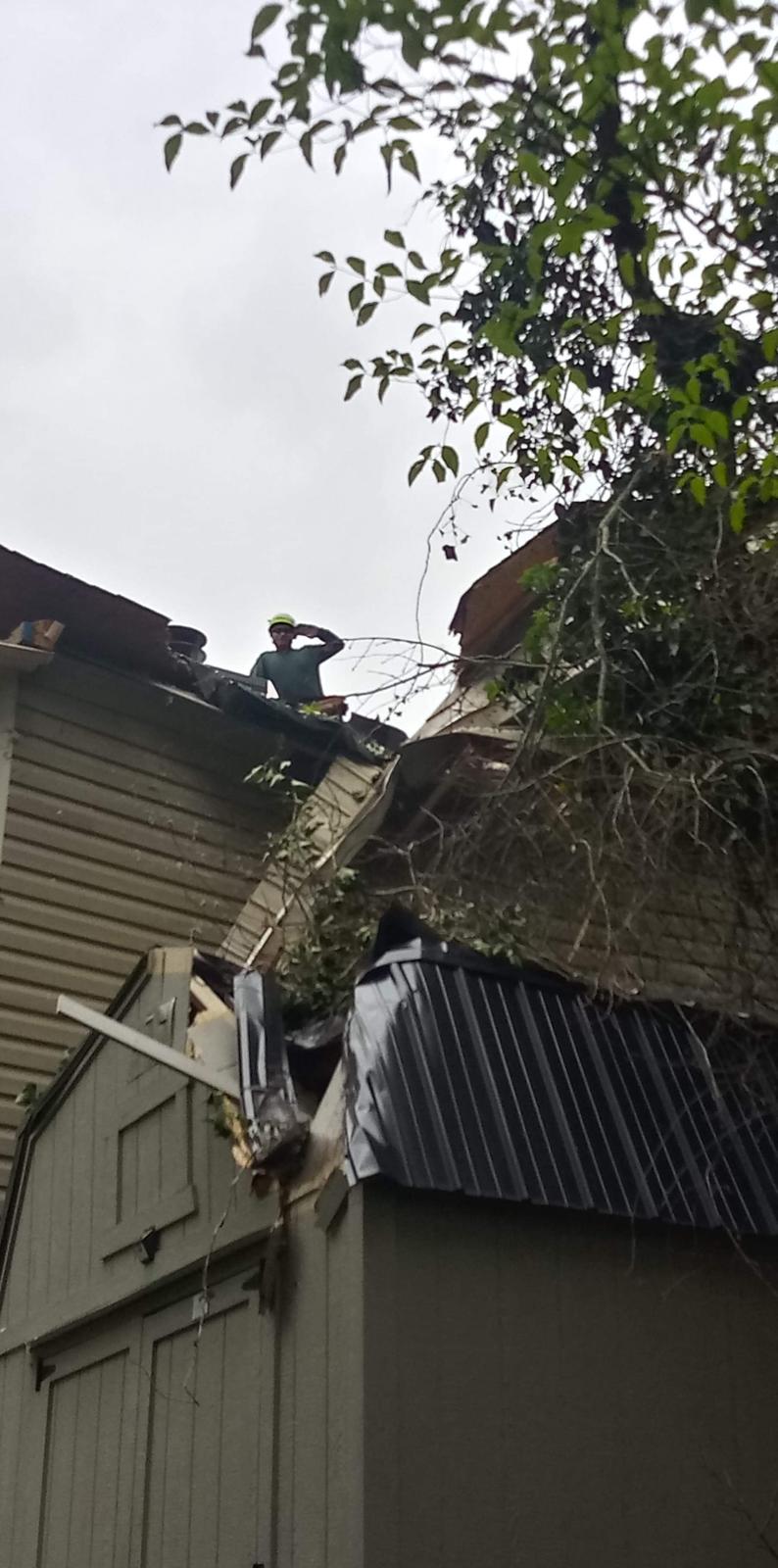
Tree cutting is more than starting a chainsaw. When a tree is near a structure or has heavy limbs over a target area, every cut needs to be planned around the tree's condition, its lean, and the space available on the property.
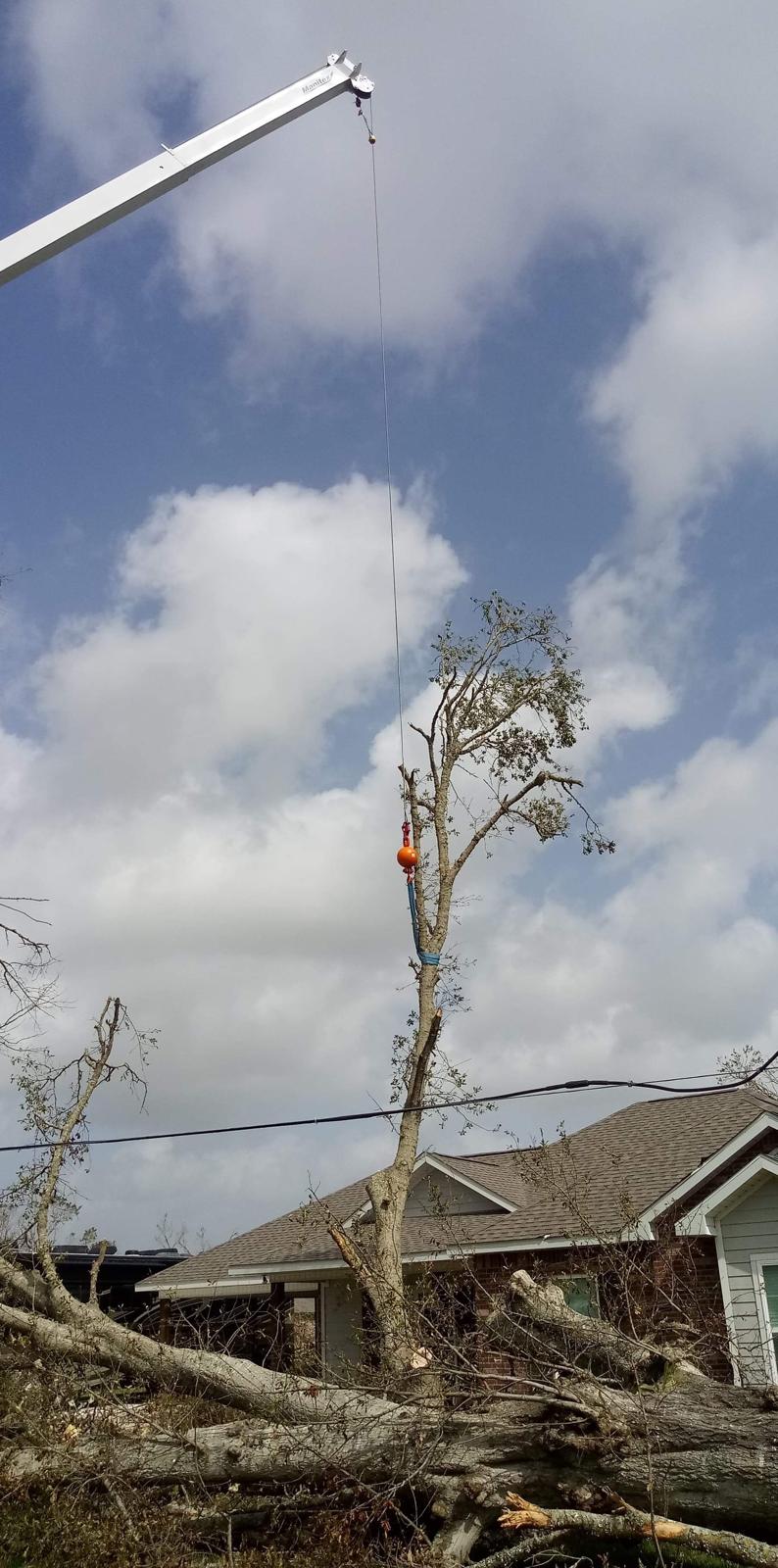
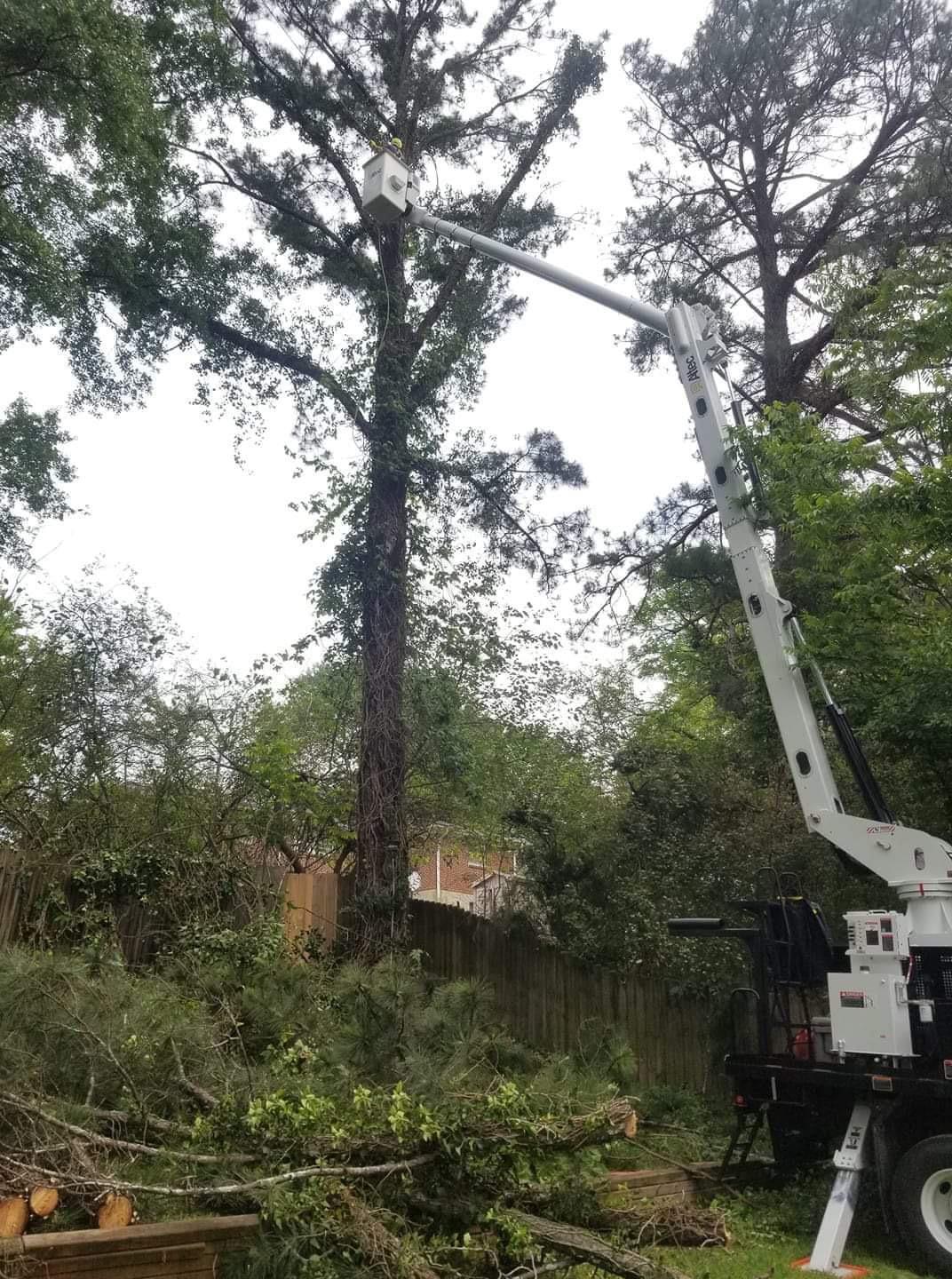
Start with the Hazards A professional crew looks for dead wood, cracks, uneven weight, power lines, rooflines, fences, and access for equipment. This helps determine whether the tree can be taken down from the ground, needs to be removed in sections, or calls for crane assistance.
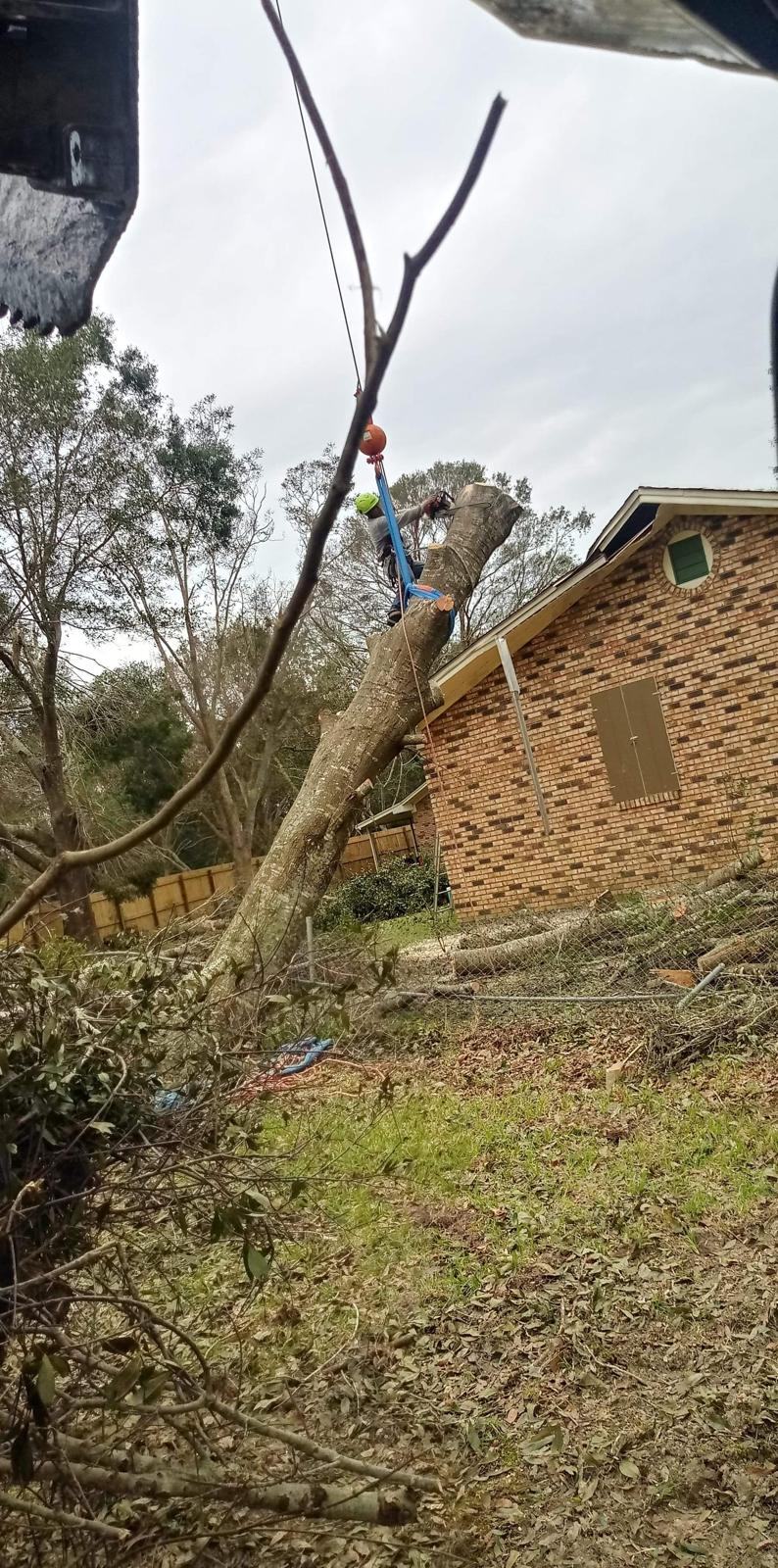
Controlled Sectional Cutting For a tree close to a house, crews commonly remove limbs and trunk sections in a controlled sequence. Rigging and careful lowering can keep heavy sections away from the areas that need protection.
Do Not Work Near Power Lines If branches are touching or close to utility lines, keep your distance and contact the utility provider or a qualified tree service. This is not a do-it-yourself situation.
Cleanup Is Part of the Job Once the cutting is complete, a good plan includes removing debris and leaving the work area orderly. Ask for a clear estimate that explains the scope of cutting and cleanup before the work begins.
If you have a tree that needs to be cut near your home or another structure, call or text Timberline at (404) 236-6219 for a free assessment and estimate.
Need Help With Your Trees?
Call or text Timberline Expert Tree Service for a free estimate.
(404) 236-6219